+97715325166

info@shambhalatravels.com

Buddhist Pilgrimage

Delhi – Varanasi – Sarnath – Bodhgaya – Rajgir – Nalanda – Vaishali – Kesariya

Kushinagar – Lumbini – Shravasti – Lucknow – Agra


Before the passing away of the Buddha, His chief attendant Ananda expressed concern that the community would find it challenging to maintain their faith and urgency without the Buddha’s presence.

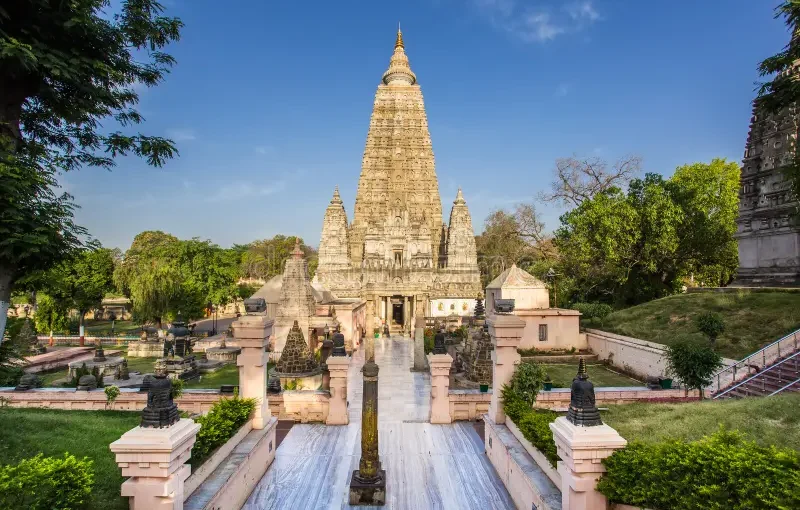
Thus, the Buddha advised them to visit four specific places associated with him, in order to continue to practice as earnestly as if he was still living among them. The four most important pilgrimage sites related to the life of Gautama Buddha, are -The Buddha’s birth (Lumbini), – Awakening (Bodhgaya, famous city and considered for Buddhist practitioners the most important of the four-pilgrimage site), – Teachings (Sarnath, where he first turned the wheel of Dharma), – and Passing (Kushinagar).

Each occurred at geographically identifiable places throughout Nepal and India, and these sites have come to represent his living legacy and presence.

ACCOMMODATION DELHI: Monastery guesthouse Karmapa International Buddhist Institute 

Hotel Lotus Nikko *** / Hotel Le Seasons *** / Hyatt Hotel ***** 

VARANASI: Rivatas Hotel **** / Amaya Hotel **** / Hindustan Hotel ***** 

BODHGAYA: Guesthouse Kirti / guesthouse Hotel Lotus Nikko *** / Royal Regency ***** Mahayana Hotel *** sup / Sujata Hotel *** sup / Hotel Thaï International*** sup 

KUSHINAGAR: Monastery guesthouse / Hotel Lotus *** 

LUMBINI: Monastery guesthouse / Buddha Hotel ***** 

SRAVASTI: Hotel Lotus Nikko *** 

FLIGHT INFORMATION Per your request we will book international flights


POLICE FORMALITIES 


Nepal and India visa fee 

Beverage and expenses of personal nature. 

Any Optional Sightseeing Tours and extension of tours, hotel accommodation etc. 

Tips to guide, porters, drivers etc. 

Personal Insurance. 

Excess baggage 

Meals not indicated in the program 

Welcome Drink on arrival (non- alcoholic) 

Transfers with private vehicle 

Local transportation by air-conditioned vehicle 

Hotel accommodation at respective hotels 

All sightseeing with local English-speaking guide 

Passport valid until 6 months after the return date 

E-Visa: Mandatory – https://action-visas.com/
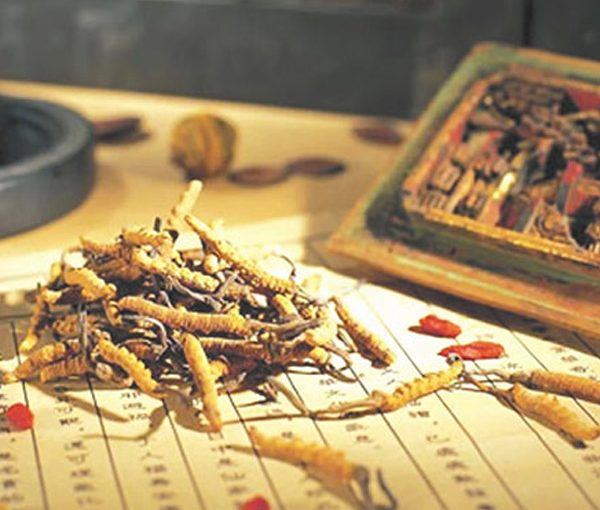
Tibetan medicine

The venerable Tibetan medicine
Heal yourself “differently”

Nothing exists alone, separate from the rest of the universe; Everything is inter- connected .

Traditional Tibetan medicine, also known as Sowa-Rigpa medicine, is a centuries-old traditional medical system that employs a complex approach to diagnosis.

Incorporating techniques such as pulse analysis and urinalysis and also the use of behavior and dietary modification with medicines composed of natural materials (e.g., herbs and minerals) and physical therapies (e.g. Tibetan acupuncture, moxabustion, etc.) to treat illness.

The Tibetan medical system is based on a synthesis of Indian (Ayurvedic), Persian, Greek,

Tibetan and Chinese medical systems.
It continues to be practiced in Tibet, India, Nepal, Sikkim, Bhutan, Ladakh, Siberia, China, Mongolia and Buryatia. It is related to the Buddhist tradition that believes that any disease ultimately results from "three poisons" of the mind: excessive desire, hatred and ignorance.

We invite you to enjoy your stay in India or Nepal to take care of your body and mind. We organize appointments for you with the most eminent Tibetan doctors.

Don’t hesitate! for any information or reservation we are here for you !!!!!

The Kathmandu Valley

There is a famous folk story that narrates the establishment of the Kathmandu Valley. Long ago, it was merely a lake – a beautiful exhibition of aquatic flora and fauna, when Manjushree, a holy Buddhist Saint from Tibet, saw a beautiful lotus flower floating in the center of the lake, boundless admiration started to flame inside his heart.

He then, cut the Chobar Hill; which turned into a deep gorge, letting the water from the lake drain out, and leaving a fertile, and pious land for human settlement.

Later the settlement became a well-known terminal for diverse individuals; for devotees (both Hindus and Buddhists), Tibetan and Indian merchants, artisans, emperors, explorers, historians, hippies, according to the respective eras, and – now – for tourists from all around the world.

The Kathmandu Valley envelops three glorious cities – Kathmandu, Patan, and Bhaktapur, which were once independent states ruled by the Malla kings (12th to 18th centuries) and decorated their individual kingdom with exotic craftsmanship and palaces.

Now the Kathmandu Valley is home to seven sites which make the valley a UNESCO Cultural World Heritage Site, and also home to hundreds of other exquisite monuments, sculptures, artistic temples and magnificent art – reminders of the golden era in Nepal’s architecture.

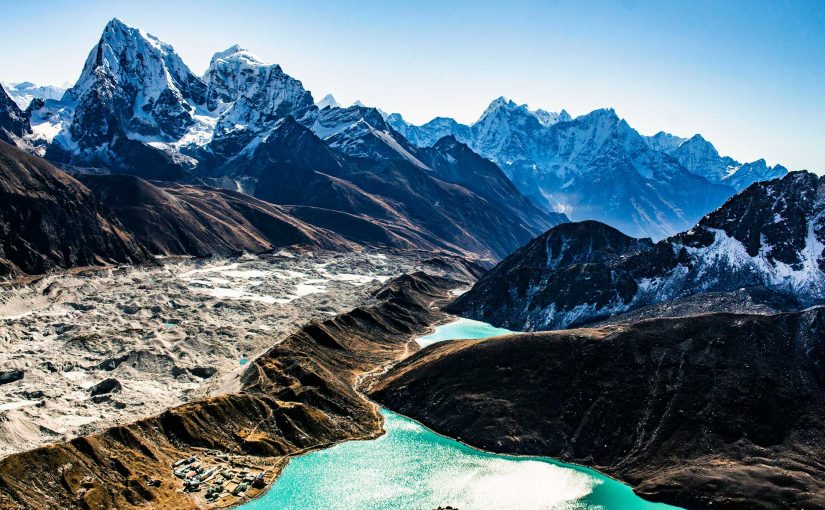
Snowy Mountain Lapchi Kang

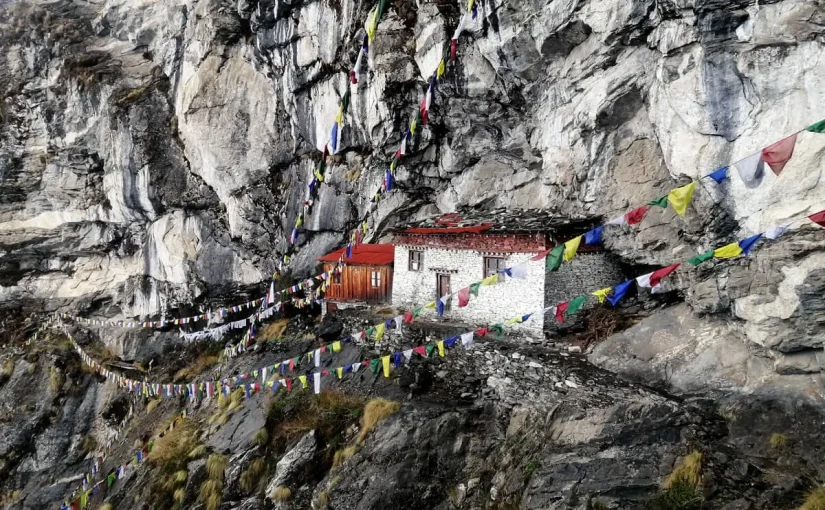
Lapchi trek, the least visited remote area and exciting secreted corners of Nepal, situated at the border with Tibet, at 3’600 meters.

Lapchi is a famous trekking and pilgrimage site for Buddhist, since it is where the famous Tibetan Yogi Milarepa lived for a long time in a cave. Together with Mt Kailash and Mt Tsari, Lapchi is one of the three holy mountains ranges that is believed to be the holiest among mountains.

The Lapchi Kang tour is not just for the Buddhist followers. The place offers an enviable trekking route in the high mountain region. There are plenty of pleasant sights and serenity to take in here.

The art and architecture of the monasteries and caves, the scenes of surrounding mountains and other natural formations of this high alpine region is as much a Buddhist pilgrimage as a charming destination for travelers.


ACCOMMODATION
Hotels indicated or similar, local standards.
Kathmandu: P.R.K Guest house or Similar in Kathmandu

FLIGHT INFORMATION
Per your request we will book international flights

POLICE FORMALITIES
Passport valid until 6 months after the return date
Tourist visa: Mandatory https://online.nepalimmigration.gov.np/tourist-visa


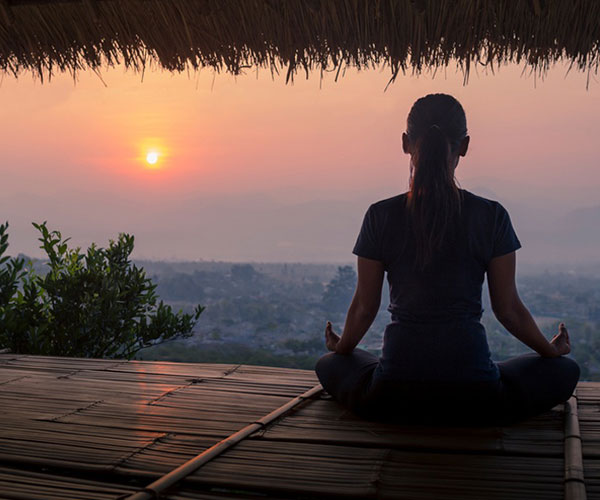
Meditation courses – retreat

There are many different and even contradictory ideas about what meditation is, but the basic approach is the need for the practitioner to understand the nature of his mind rather than struggle with it.

Understand that meditation has nothing to do with the life of monk or ascetic who seeks to cut himself off from the world, as it is too often perceived. Nor is it a belief or a religion. You do not have to change your life to open yourself to meditation.

Meditation is a quality in you that is simply called detachment or otherwise says inner vigilance and full awareness in and of the present moment.

It is possible at any time to spend a few days in a monastery as individual or a group, to learn or discover, or deepen this practice. You can live this experience without worrying about the organization.

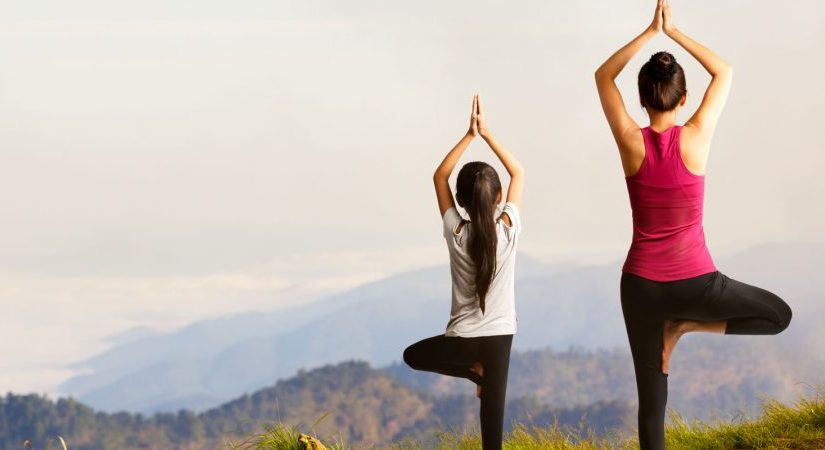
Cure Ayurveda and Yoga

Take time to take care of yourself
Cure Ayurveda and Yoga

The purpose of Ayurveda is to preserve life, prevent disease.

What is Ayurveda?
The term Ayurveda derives from Sanskrit, the ancient language of India by the union of two word AYU (knowledge) and VEDA (life) "Science of the knowledge of life"
The purpose of Ayurveda is to preserve life, prevent disease.

Ayurveda deals with the person, not with illness; she is interested in the causes and not the symptoms. According to Ayurveda, health is order, disease is disorder. According to Ayurveda, illness is a manifestation of imbalance. The illness is incarnated physically, but also spiritually, emotionally and psychologically. The disease is manifested in a weakened organ.

How does this happen concretely?
Founded originally on sounds and voice, it has been expanded with an armada of treatments. More than just therapy, it's away of life that does not cut people out of their environment. According to Ayurveda, the human body is governed by five
elements – space, air, fire, water and earth – which combine to form three forces of vital energy, the doshas.

Ayurvedic medicine works to preserve their balance. She uses dietetics, meditation, breathing, yoga and singing, as well as a multitude of remedies: mixtures of plants, , heated oils for massages … To determine what is prakriti ( the combination of the three doshas) of his patient, the practitioner questions him at length about his way of life, his hygiene, his physical

Ayurveda focuses on 4 essential points

  • Prevent diseases
  • Take care of health
  •  Keep health
  •  Promote longevity

According to your pathologies and your desire,

we will organize you the stays in the best establishments of India, with the best quality price.

Don’t hesitate! for any information or reservation we are here for you !!!!! 

Yolmo Valley

‘Yolmo’ also called “hidden valley” or Helambu, is a region of great importance in terms of its religious and cultural richness as well as its natural beauty. According to the Buddhist religious texts, seven secret regions are considered to be the most sacred sites, Yolmo Gangra is one of those!!

Helambu Trek in the Langtang region offers the breathtaking sceneries of the Himalayas, terraced landscape, and ethnic cultural activities. It preserves various species of birds, flora and fauna, including Ghoral, monkey, Himalayan black bear and others. The charm of the trekking in Helambu increases due to the less traffic in the trail.

Superb Sherpa and Tamang villages dominate the trekking route. It is a unique experience to explore the Sherpa culture and lifestyles, Tamang customs and their wonderful hospitality. A fabulous experience for everyone.


ACCOMMODATION

Hotels indicated or similar, local standards. Kathmandu: P.R.K Guest house or Similar in Kathmandu

FLIGHT INFORMATION Per your request we will book international flights

POLICE FORMALITIES Passport valid until 6 months after the return date Tourist visa : Mandatory https://online.nepalimmigration.gov.np/tourist-visa

Bhutan, the last Shangri-la

Delhi/Kathmandu – Paro – Thimphu – Punakha – Gantey – Gogona – Khotokha – Chumsoza

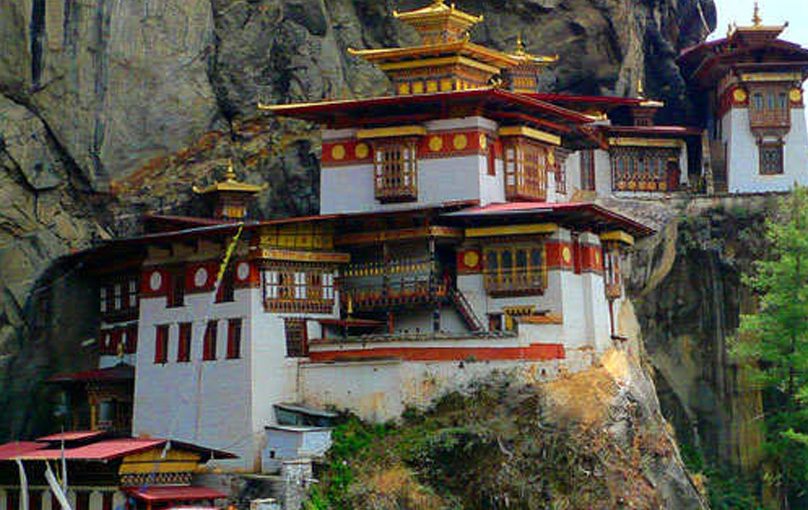
There’s a place on earth that even the most seasoned travelers consider a privilege to visit. And, although it is voted one of the world’s top travel destinations, very few make it. This is Druk Yul, Bhutan, the Land of the Thunder Dragon.

Small kingdom perched in the Himalayas, will leave you a memorable memory. A real sensation of soothing, sweetness and purity emerges in the atmosphere. The ingredients of this alchemy that surprises travelers on their trip to Bhutan are beautiful mountain scenery, unspoiled nature and charming and hospitable people.

A basic understanding of Bhutan’s Buddhism is essential to understand the Bhutanese, as Buddhist teaching and philosophy play an important role in their peaceful lives. Because of deep traditional reverence which the Bhutanese have for nature, the Kingdom is one of the leading countries in environmental preservation.

More than 70% of land and area is still under forest cover. Bhutan is not an ordinary place and has many surprises, a visit to the country is a splendid adventure.
The kingdom of Bhutan, today, may be man’s last un-ventured destination. That is how the

Bhutanese people would like to keep it.
“Take nothing but pictures, Leave nothing but footsteps.”


DETAILED PROGRAM
Per your request this program can be customized
Possibility of departure from Delhi.


ACCOMMODATION Hotels indicated or similar, local standards 

Delhi: Monastery guesthouse Karmapa International Buddhist Institute / Hotel Lotus Nikko *** / Hotel Le Seasons *** / Hyatt Hotel ***** 

Kathmandu: Monastery guesthouse / P.R.K Guest house / Hotel Tibet International**** 

Paro: Mandala Resort / Olathang*** / Naksel**** / Hotel Khangkhu Resort / Tashi Namgay Resort*** 

Thimphu: Dorji Elements / City Hotel*** / Druk Hotel **** / Hotel Phuntso Pelri / Ramada Valley*** 

Punakha: Hotel Tashiling /, Zhingkham Resort *** / Rkpo Green Resort**** / Hotel Y T Hotel / Zhingkham Resort*** 

Gangtey: Gangtey Hotel Palace /Gangtey Lodge Bhutan***** / Wangchuk Lodge / Yue loki Guest gouse 

Gogona and Khotokha: overnight at camp 

FLIGHT INFORMATION Per your request we will book international flights 


POLICE FORMALITIES

– Passport valid until 6 months after the return date 

– Indian Visa tourist: Mandatory – https://action-visas.com/ 
– Nepal visa: can be done at the airport, http://www.nepalimmigration.gov.np/page/tourist-visa 

– Bhutanese visa : http://www.visitbhutan.com/visa_requirement_procedure_bhutan.html 

Lapchi Kang – Maratika caves

Min. 10 persons for each tour. Possibility to join only 1 tour or all program.

All departs for the trek are from Kathmandu, with 2 nights and 3 days visit. A good physical condition is recommended, and children above 10 years old can also participate, with the presence of their parents of course!!!

* The date given now are only for indication, we will confirm the official dates in April for all of you to organise and book your trip.

– Lapchi – Maratika: 16 days tour.

– Yolmo – Maratika: 8 days tour.

– Optional: between the 2 treks, possibility of a 2days retreat at Lodro Rabsal Rinpoche’s Marpa retreat center at Namo Buddha, with visit of Namo Buddha stupa (4hours walk, up and down) – ‘Yolmo’ also called “hidden valley” or Helambu, is a region of great importance in terms of its religious and cultural richness as well as its natural beauty. This trek offers the breathtaking sceneries of the Himalayas, terraced landscape, and ethnic cultural activities.

It preserves various species of birds, flora and fauna, including Ghoral, monkey, Himalayan black bear and others. The charm of the trekking in Helambu increases due to less traffic on the trail. Superb Sherpa and Tamang villages dominate the trekking route. A fabulous experience for everyone.

– Lapchi trek, the least visited remote area and exciting secreted corners of Nepal, situated at the border with Tibet, at 3’600 meters. Lapchi is a famous trekking and pilgrimage site for Buddhist, since it is where the famous Tibetan Yogi Milarepa lived for a long time in a cave.

Together with Mt Kailash and Mt Tsari, Lapchi is one of the three holy mountains ranges that is believed to be the holiest among mountains. The Lapchi Kang tour is not just for the Buddhist followers. The place offers an enviable trekking route in the high mountain region. There are plenty of pleasant sights and serenity to take in here. The art and architecture of the monasteries and caves, the scenes of surrounding mountains and other natural formations of this high alpine region is as much a Buddhist pilgrimage as a charming destination for travelers.

– Maratika Caves, also known locally as Haleshi, is near Khotan in the Eastern Nepali hills, at an altitude of approximately 1200 meters above sea level.

The sacred Caves of Maratika have long been an important pilgrimage destination for Dharma practitioners and Vajrayana Buddhists wishing to engage in long life practice.

The site itself consists of three hills on a ridge blessed and named accordingly by the Three Dharma Protectors of Refuge: Manjushree, Vajrapani and Avalokiteshvara.

The Avalokiteshvara Hill is the most important pilgrimage place at Maratika because it is where Guru Rinpoche (Padmasambhava) and Lady Mandarava (His consort) achieved immortality. Around the cave are various Hindu shrines, mostly related to Lord Shiva. There are also various rock formations which are said to be gateways to various hells, pure lands and such. A large community of bats add a specific smell to this cave.

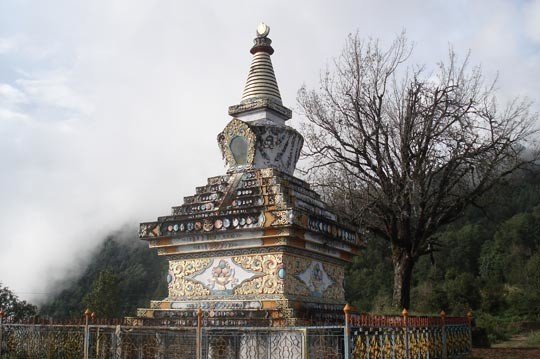
– Namo Buddha, one of the most holy pilgrimage sites in all of Nepal, also known to the Tibetans as Takmo Lujin (literally “giving the body to the tigress”), since according to the oral tradition and several sutras, this is the actual place where Mahasattva (one of Buddha Shakyamuni’s former incarnations), the youngest of the three sons of king Maharatha, gave his body as an act of complete selfless generosity. ‘One day as he and his two brothers were walking through the forest, they saw a tigress with the five cubs she had given birth to. She was so hungry she could hardly move. The three princes went away, but Mahasattva decided to go back and started to cut his flesh to give it to the tigress to eat. When his brothers went to look for him they found only his bones and hair’. The stupa was built on top of these remains. For the rest of us, this site is known as Namo Buddha (“Homage to the Buddha”)

Rajasthan

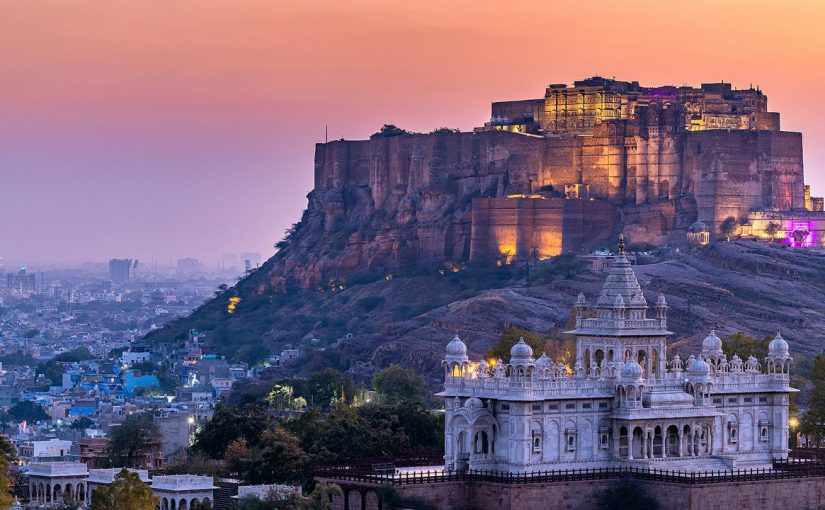
Rajasthan is the jewel in India’s crown. From fairy-tale palaces and epic forts to colorful festivals and
wildlife encounters, this is India at its vibrant best.

This tour will make you discover places filled with ancestral traditions but also the excitement of
modern life. Let us guide you throughout this stay where you will be amazed by this culture
combining scents, colours and smiles.

Our Association